
Best Ammo Deals Right Now: Bulk Rounds at the Lowest Prices
You’re staring at a box of 9mm priced at $28 when a ammo deals alert just flagged the same exact round for $18.99 shipped—that’s the raw power of this tool. It scours dozens of online retailers every hour, Ammunition for Sale ranking price-per-round so you instantly see which bulk order saves you the most cash. Set a threshold for your favorite caliber, and it pings you the moment a deal dips below your target, turning passive browsing into a relentless money-saving strike. Stop overpaying at the counter; lock in the lowest possible cost per shot before the stock vanishes.
Where to Find the Best Discounted Ammunition Online Right Now

For the best discounted ammunition online right now, focus on aggregator sites like AmmoSeek and WikiArms, which scan dozens of retailers in real time to surface the lowest price per round, including shipping. Set alerts for your specific calibers there, then cross-check the top hits against larger volume dealers like Target Sports USA or Bereli, which frequently run sitewide sales and free shipping thresholds. Check the «clearance» and «overrun» sections on MidwayUSA and Brownells directly, as these often hide deeply discounted ammunition online that doesn’t appear on aggregators. Finally, buy bulk “ammo can” packs from retailers like Outdoor Limited or SG Ammo, as per-round prices drop sharply at 500 or 1,000 rounds, especially during holiday weekends. Always filter by “in-stock” and add a dummy cart to compare final out-the-door costs.
Comparing the Top Retailers for Bulk Cartridge Savings
When stacking ammunition, comparing the top retailers for bulk cartridge savings means checking per-round price, not just the sticker total. TargetSportsUSA often wins on free shipping for bulk cases, while Bereli’s dynamic pricing occasionally undercuts everyone on popular calibers like 9mm and 5.56. MidwayUSA rewards loyalty points, but their per-round cost rarely beats dedicated bulk sellers. Always compare the 9mm Ammo for Sale final cost after tax and shipping—BulkAmmo.com frequently matches or beats competitors with flat-rate delivery. *A retailer’s membership fee can erase savings if you only buy once a year.*
Q: Which retailer offers the lowest per-round price for bulk rifle cartridges? A: Rotates weekly, so use ammo-seek aggregators to verify before checkout, but TargetSportsUSA and Bereli consistently fight for the top spot.
How to Spot Hidden Shipping Costs That Kill a Good Per-Round Price
A great per-round price vanishes the moment you hit checkout if you ignore shipping. Always toggle the cart calculator to your ZIP code before comparing deals, as flat-rate fees often apply only to lightweight pistol boxes. Look for weight-based surcharges on bulk 5.56 or 9mm cases; a “free shipping over $99” offer can still add a $15+ handling fee. Check whether the order ships from multiple warehouses—split shipments mean separate charges. **Compare the total delivered cost per round**, not the sticker price. Scan the footer for “hazmat” additions on primers or powder, which sometimes sneak into ammo-only orders.
Q: How do you spot hidden shipping costs before committing?
A: Input your address during checkout, not before, and examine the fee breakdown line-by-line. If the site offers “free shipping,” verify it includes the product weight—many exclusions apply once you exceed 30 pounds. Quickly check two competing retailers with the same cart; the difference often exceeds $20, flipping the best per-round deal.
Using Price-Per-Round Calculators to Compare Deals Instantly
When scanning ammo listings, a price-per-round calculator for ammo deals cuts through misleading bulk pricing. Instead of comparing total cart totals, input the case size—e.g., 500 or 1,000—and the calculator instantly normalizes cost per single cartridge. This exposes hidden differences, like a $320 500-round box versus a $600 1,000-round case, revealing which actually saves more per shot. To use it effectively, follow this sequence: first, copy the listed price and round count; second, paste those numbers into the calculator; third, compare the resulting per-round figure across multiple vendors. Many ammo deal aggregator sites embed this tool directly on each listing, but standalone calculators work just as well when you manually enter data. Always round to the nearest cent, and remember that shipping fees distort per-round value—so add flat shipping costs before dividing, if the calculator allows it. This turns a quick glance into a precise, apples-to-apples decision.
Understanding Caliber-Specific Price Drops and When They Happen
Caliber-specific price drops are predictable if you track manufacturer production cycles, not the broader market. When a factory switches its line from .223 Remington to 9mm for a seasonal contract, the .223 surplus hits distributors in bulk, and savvy buyers see the deal surface within two to three weeks. The key window is post-holiday and late 9.3x62mm Mauser Ammo for Sale summer, when retailers clear overstocked calibers like .308 or .45 ACP to free warehouse space for new SKUs. A drop usually lasts only 5–10 days before inventory normalizes, so set alerts for your exact grain weight, not just the cartridge. Q: When is the best time to catch a caliber-specific drop? A: Right after a manufacturer’s quarterly production shift, typically mid-February and late August, when distributors offload unsold lots. Don’t wait for a “sale” banner; check ammo-deal aggregator timestamps hourly, because the best per-round prices vanish within 48 hours. If a caliber’s price dips below its 90-day average by 15%, that’s the signal—buy your full year’s supply immediately, as the next drop for that specific round won’t recur until the production cycle repeats.
Why 9mm, .223, and .308 Deals Fluctuate Weekly
9mm, .223, and .308 deals shift weekly because retailers rotate stock based on shipment arrival dates, not on a fixed pricing calendar. A warehouse receiving 50,000 rounds of 9mm on a specialty sports and supply Tuesday often triggers a temporary rebate to clear that lot before the next truck arrives. Similarly, .223 prices drop when a distributor over-orders for hunting season and must reduce inventory before storage costs eat margins. .308 fluctuates with match-grade demand spikes before weekend long-range events, prompting short-lived discounts to attract last-minute buyers. These three calibers see weekly price resets driven by inventory turnover, meaning checking every Monday or Thursday catches the freshest markdowns before stock normalizes.
How to Set Price Alerts for Your Exact Cartridge and Grain Weight
To catch real savings, skip generic alerts and zero in on your precise load. When setting up alerts on ammo aggregators like AmmoSeek or wikiArms, filter by the full cartridge name (e.g., .308 Win) *and* the specific grain weight (e.g., 168gr), since prices for 147gr versus 175gr can swing independently. Save that exact combo as a saved search, then enable email or push notifications for drops below your target price-per-round. Retailers often list the same cartridge under slightly different names, so create separate alerts for both «Federal 168gr» and «168gr BTHP» to avoid gaps. Check your alert frequency—set it to immediate or daily, not weekly, because hot deals vanish fast.
- Use the advanced filter to lock both caliber and bullet weight before saving the alert.
- Set a custom threshold—like $0.60/round—so you only get 9×18 Makarov Ammo for Sale pinged for actual markdowns.
- Create duplicate alerts for alternate product names (e.g., «M80» vs «147gr FMJ») to catch every listing.
Matching Surplus vs. New Production Savings to Your Firearm’s Needs
Surplus ammo shines when your firearm thrives on mil-spec pressure curves—think battle rifles or older bolt guns with looser chambers—while new production savings matter most for precision rigs or suppressors where consistent brass and powder outweigh cost-per-round. Match surplus to guns you beat on, not heirlooms you cherish. For daily drills, surplus’s dirt-cheap price lets you burn hundreds without flinching, but verify headstamp quality first; corroded primer pockets jam fast. Conversely, new production deals reward shooters needing clean, reloadable brass or subsonic stability. Reserve surplus for plinking, reserve new for zeroing, and always test a sample box before bulk-buying.
- Check surplus for berdan primers—cheap but non-reloadable.
- New production beats surplus for hunting loads or critical defense practice.
- Match surplus to 7.62x51mm battle rifles; save new for 6.5 Creedmoor precision builds.
- Buy surplus only if your gun cycles steel-case or lacquered rounds reliably.
How to Verify a Firearm Ammo Deal Is Actually Legitimate and Safe
Start by confirming the vendor’s physical address and phone number, then call them—a legitimate ammo dealer will answer and discuss lot numbers or headstamp details. Cross-reference the listed price against three established retailers; if it’s below 70% of market, treat it as a red flag for reloads, corrosive surplus, or stolen goods. Request the exact manufacturer, cartridge, and production year, then verify the ammo’s box seals and primer crimp style against factory photos. Never rely on a screenshot or a single seller photo; ask for a timestamped video showing the rounds and packaging. Inspect the brass for cracks, dents, or uneven case mouths before any payment clears. *Even a flawless description can mask squib loads or improper powder charges that only a pull-test would reveal.* Finally, use a payment method that offers purchase protection, and save all correspondence in case you need to dispute a dangerous product.
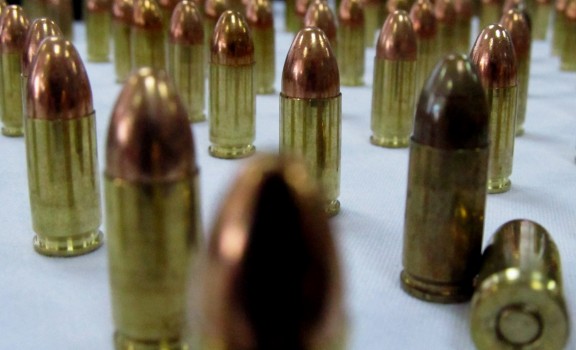
Checking the Lot Number and Manufacturing Date for Aged Stock
Before committing to any bulk purchase, verify the ammo’s lot number to trace its production batch—stamped on the box or case. Cross-reference this with the manufacturing date, often printed as a four-digit year or Julian date, to identify aged stock. For example, a lot from 2018 that has been stored in fluctuating temperatures may show signs of 7mm Rem Ultra Mag Ammo for Sale weakened primers or corroded cases. If the lot number is illegible or absent, treat the deal as suspect. Request the date code from the seller, then inspect the cartridge headstamp for consistency; mismatched lots suggest repackaged surplus. Reject any stock where the manufacturing date exceeds five to seven years unless the seller provides documented climate-controlled storage.
Always demand the exact lot number and manufacturing date—if the batch is older than five years without cold, dry storage proof, walk away.
Recognizing Warning Signs of Repackaged or Reloaded Ammo at Discount Prices
When a discount ammo deal seems too aggressive, scrutinize the packaging for signs of reloading, such as misspelled lot numbers, handwritten labels, or crimped primers that appear re-staked. Repackaged rounds often lack the manufacturer’s original seal, and the brass may show multiple ejector marks or uneven case lengths. Inspect the projectile seating; inconsistent bullet depth or wobbly cartridges indicate a rushed reload. Also, check the primer pocket—if the primer sits flush or below the case head, it’s a common handload trait. **Recognizing warning signs of repackaged ammo** requires comparing the round’s physical uniformity against factory tolerances, especially on primer seating and case mouth tension. If every fifth round varies in weight or has a dull, tarnished finish, reject the deal outright.
Reading Customer Reviews for Rim Damage, Misfires, and Shipping Wear
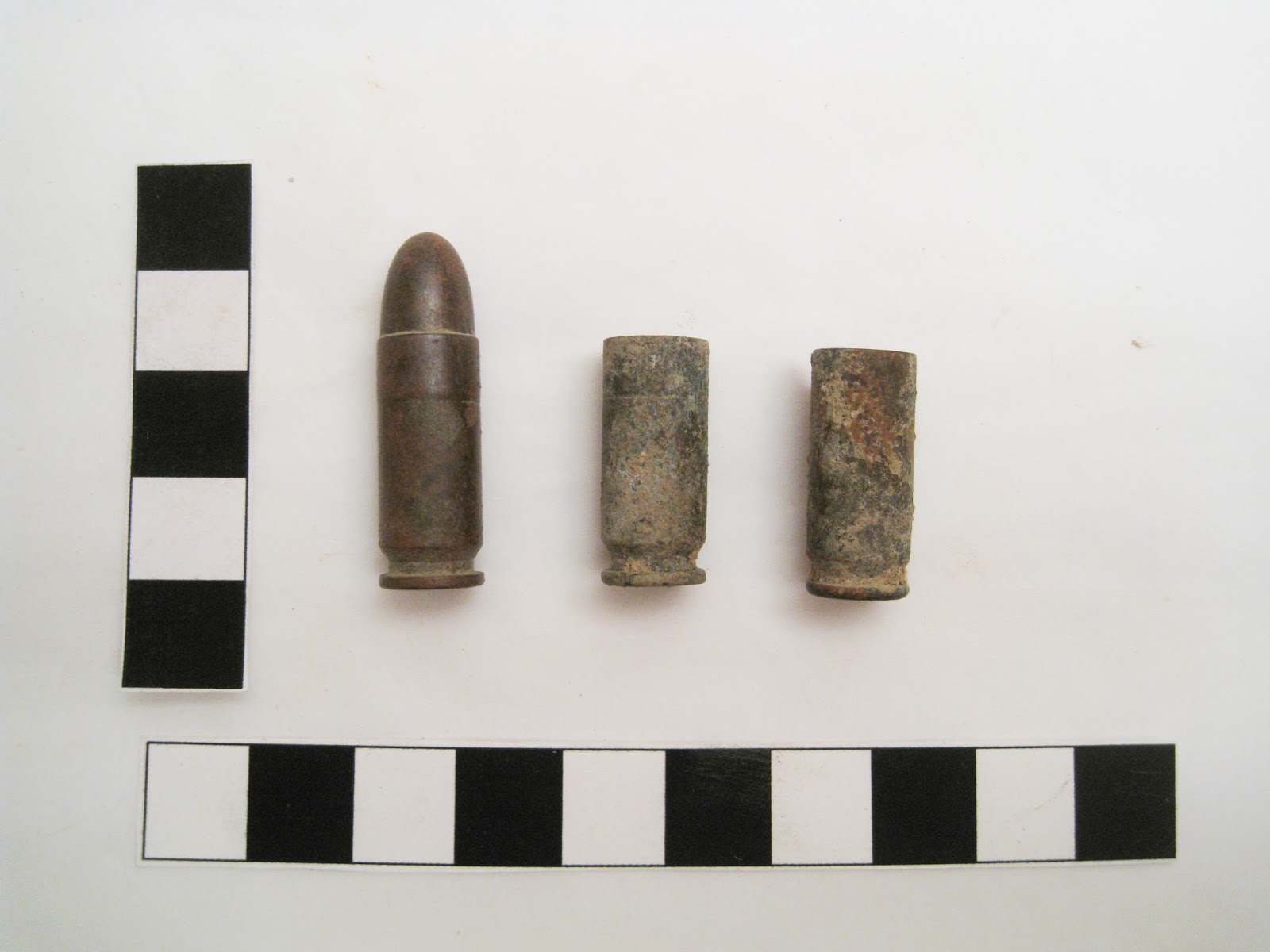
When vetting an ammo deal, focus your review reading on three recurring defect patterns: **rim damage, misfires, and shipping wear**. 9.3x72R Ammo for Sale Search for photos and timestamps that show bent or burred case rims, which cause extraction failures in bolt-action rifles. Note how many reviewers report light primer strikes or duds—repeated instances signal a lot-specific problem, not user error. Also, flag any complaints about loose-packed boxes or dented cartridges; these often result from poor transit handling. If a seller’s page mixes five-star praise with detailed defect reports, prioritize the negative specifics. Compare defect rates between bulk and premium listings to gauge consistency, and treat vague “great deal” comments as less useful than measured failure counts.
Buying Strategies That Maximize Savings on Bulk Ammunition Purchases

To maximize savings on bulk ammunition purchases, stack multiple discounts rather than settling for the first advertised price. Always compare the final cost per round after factoring in shipping, taxes, and any credit card cashback, since a larger box can still be more expensive per bullet if fees are high. Use price-tracking tools specifically for ammo deals to set alerts for your target cartridge, then buy in bulk only when the per-round cost dips below your historical average—chasing a flashy sale on an unfamiliar caliber rarely saves money if you don’t already shoot it regularly. Split oversized orders with a trusted shooting partner to qualify for free-shipping thresholds while dividing the total cost. Finally, sign up for manufacturer newsletters and loyalty programs that offer early access to rebate events or exclusive bulk codes, but verify the rebate’s fine print before committing your full budget.
Stacking Coupon Codes, Cashback Portals, and First-Time Buyer Bonuses
To truly maximize savings on bulk ammo, don’t just add to cart—layer your discounts. Start by hunting for stackable promo codes from retailers like Bulk Munitions or Target Sports USA, which often let you combine a sitewide sale with a specific percentage-off code. Then, run your purchase through a cashback portal like Rakuten or TopCashback, where ammo retailers sometimes offer 5–10% back, though pay attention to whether ammo is an excluded category. Finally, if you’re a new customer, apply a first-time buyer bonus—many stores give an extra 10–15% off or free shipping on your inaugural order. Always test code combinations at checkout, as some portals void cashback if a promo code is used. This triple-layer approach can slash 20–30% off the shelf price.
Stack coupon codes, route through cashback portals, and claim first-time buyer bonuses to drop bulk ammo costs by up to a third—just confirm each layer works together.
Calculating the Break-Even Point for Free Shipping Thresholds
To nail the math on ammo deals, figure out the exact order weight where free shipping beats paying freight. 7mm Rem Mag Ammo for Sale Say shipping costs $15, and your preferred rounds weigh a set amount per box—divide that fee by the per-box shipping cost to find your minimum break-even order size. If one 50-round box ships for $6, you need 3 boxes to break even, but if the threshold sits at $150, compare the total weight of your cart against that dollar mark. Add extra boxes only if the per-round price stays flat; otherwise, a heavier order might push you past a freight tier, killing the savings. A quick table helps:
| Threshold | Shipping Fee | Boxes to Break Even |
|———–|————-|——————–|
| $100 free | $12 flat | 2 boxes @ $50 |
| $150 free | $18 flat | 3 boxes @ $50 |
Just add the cheapest reload or range ammo to hit the number, then stop—anything beyond that wastes cash unless unit price drops.
Coordinating Group Buys with Shooting Partners for Larger Order Discounts
Pooling orders with a few trusted shooting buddies is one of the smartest ways to unlock bulk ammo pricing thresholds that solo buyers rarely hit. Start by picking one person to collect payments upfront—using a shared spreadsheet or payment app avoids awkward money talk later. Coordinate around free-shipping minimums or tiered discounts, then split the total by caliber and case size. You’ll often pay less per round than the best single-box sale, but only if everyone commits before the vendor’s coupon expires. Decide who picks up the shipment and how to divide hazmat fees if you’re mixing primers or powder.
- Agree on a fixed cutoff time for orders so the group buy isn’t delayed by indecision.
- Assign one person to verify the discount code applies to mixed calibers in one cart.
- Use a weight-based split for shipping so 9mm buyers don’t subsidize .308 crates.
- Test with a small order once before committing to a pallet-sized group buy.
Seasonal Clearance Tactics for Cleaning Out Pallet-End Ammo Inventory
When pallet-end ammo inventory crowds your floor space, treat it like a seasonal perishable: bundle slow-moving calibers with hot sellers to create a “buy this, get that” deal that clears both. Drop prices on .223 or 9mm during post-holiday slumps, but *time your clearance to peak before spring shooting season, when demand naturally rebounds and your margin can recover*. Stack a visible “Pallet-End Special” sign with a countdown—say, three days max—to force urgency, and offer free shipping only on these marked cases to move volume fast. Pair oddball cartridges like .350 Legend with a free ammo can, making the deal feel like a bonus rather than a dump. Rotate the pallet position weekly and slash an extra 5% each Friday until the skid is bare, ensuring your cash flow isn’t frozen in dusty boxes.
Identifying Calendar Dates When Retailers Purge Discontinued Calibers
To catch the steepest discounts, mark late January through early March on your calendar; this is when retailers purge discontinued calibers to finalize inventory for spring catalogs. Watch for the fiscal-year reset at major chains, which often triggers clearance pricing in February, and the pre-hunting-season shakeout in August, when old stock is dumped to make room for fresh loads. These dates are predictable, so set alerts two weeks prior to spot early markdowns before shelves empty. Discontinued caliber clearance windows are your best signal to buy deep, as remaining stock rarely returns at these prices.

- Check every Tuesday and Thursday morning during these windows for new markdowns.
- Track store-specific anniversary sales tied to inventory audits, often 60 days after January 1.
- Note that end-of-month pushes in 6mm Remington Ammo for Sale February and August trigger final purges, not just initial discounts.
Haggling with Customer Service for Price Matches on Expired Promotions
When that pallet-end ammo promo lapses, don’t just walk away—try haggling with customer service for price matches on expired promotions. Call or use live chat, reference the exact SKU, and ask if they’ll honor the old price to clear the last few crates. Many .50 Cal Ammo for Sale reps have a “dead deal” override, especially if you’re buying multiple boxes. Be polite but persistent; offer to buy the full pallet-end lot if they shave off 10%. Screenshot the expired ad and ask, “Can you match this anyway?” If the first rep says no, try again—a second agent often has different discretion. You’ll occasionally secure the old price, saving $20–$50 per case. It’s worth the five-minute pitch.
Managing Backorder Risks When Snagging Rock-Bottom Per-Round Rates
Snagging rock-bottom per-round rates often means accepting a backorder, but you can mitigate the sting. First, only commit funds you can park indefinitely—never chase a bargain with money earmarked for immediate range time. Confirm the seller’s stated ETA and ask if they’ve historically shipped early or late; a vague “we’ll see” is a red flag. Split large orders across two vendors to hedge against one catastrophic delay, and always use a credit card for chargeback leverage if the wait stretches past a promised window. Finally, calculate the real cost: a 90-day backorder on “cheap” ammo might be worse than paying 2¢ more per round for instant shipping.
Backorder risk tolerance is your secret weapon here—know yours before you click.
Q: How long is too long to wait for a backordered ammo deal?
A: If the order won’t ship within 60 days, you’re gambling. The savings evaporate if prices drop or you’re forced to buy emergency ammo at full retail while waiting. Pass unless the per-round gap is massive.