
Your Guide to Safe Online Gambling: Top Casinos, Bonuses & Winning Tips
Tired of rushing to a physical casino before closing time? Online gambling lets you enjoy your favorite games from your couch, whenever the mood strikes. You simply create an account, deposit funds, and pick a game like slots or poker, with results determined by a random number generator. The real beauty is the instant convenience of playing in your pajamas while sipping coffee, with bonuses often giving you extra play money to stretch your session.
What Exactly Is Online Gambling and How Does It Work?
Online gambling is the act of wagering real money on games or events via a digital platform, such as a website or mobile app, where the outcome is determined by chance or skill. To participate, you first create an account, deposit funds using a card, e-wallet, or cryptocurrency, and then select a game—like slots, poker, or sports betting—where your stake is deducted instantly. The core mechanics rely on a Random Number Generator (RNG) for casino games to ensure each spin or hand is unpredictable, while live dealer options stream a real human to a physical table, allowing you to bet in real time via a chat interface. Your winnings are credited directly to your balance, which you can request to withdraw back to your chosen payment method, often after meeting a wagering requirement if you used a bonus. Most platforms require identity verification before your first payout, and your session data is encrypted to protect financial transactions. However, the house edge is always mathematically built into every bet, so long-term losses are statistically guaranteed even if individual wins feel random.
Understanding the Core Mechanics of Digital Betting Platforms
Understanding the core mechanics of digital betting platforms begins with the odds-setting and settlement engine, which calculates implied probabilities and automatically adjusts payouts based on real-time wager flow. A user’s stake is locked into a digital wallet, then matched against a liquidity pool, not an external bookmaker’s human decision. The platform’s random number generator (RNG) or live event feed triggers the outcome, after which the settlement script verifies the result, deducts the house edge, and credits winnings or forfeits the stake. Crucially, betting exchanges differ by allowing peer-to-peer matching, where the platform acts only as a clearinghouse, taking a commission on net winnings. Latency and data parsing are the operational backbone: every click updates the liability across all open positions instantly.
Q: How does a platform prevent arbitrage between live odds and settlement?
A: It uses a fixed timestamp for each event’s close, freezing the odds window, then applies a separate data feed for the official result, ensuring the gap between price and payoff is unbridgeable.
Differences Between Virtual Casinos, Sportsbooks, and Live Dealer Rooms
Virtual casinos, sportsbooks, and live dealer rooms differ primarily in game mechanics, pacing, and player control. Virtual casinos use RNG-based slots and table games with instant, solo rounds, letting you set the speed. Sportsbooks shift focus to event-driven betting, where odds fluctuate in real time and your wager settles only after the match concludes—making research and timing the core skill. Live dealer rooms bridge the gap by streaming a human croupier who interacts with you in real time, offering slower, social play with physical cards and wheels. Your choice hinges on whether you want pure chance, analytical prediction, or immersive human interaction.
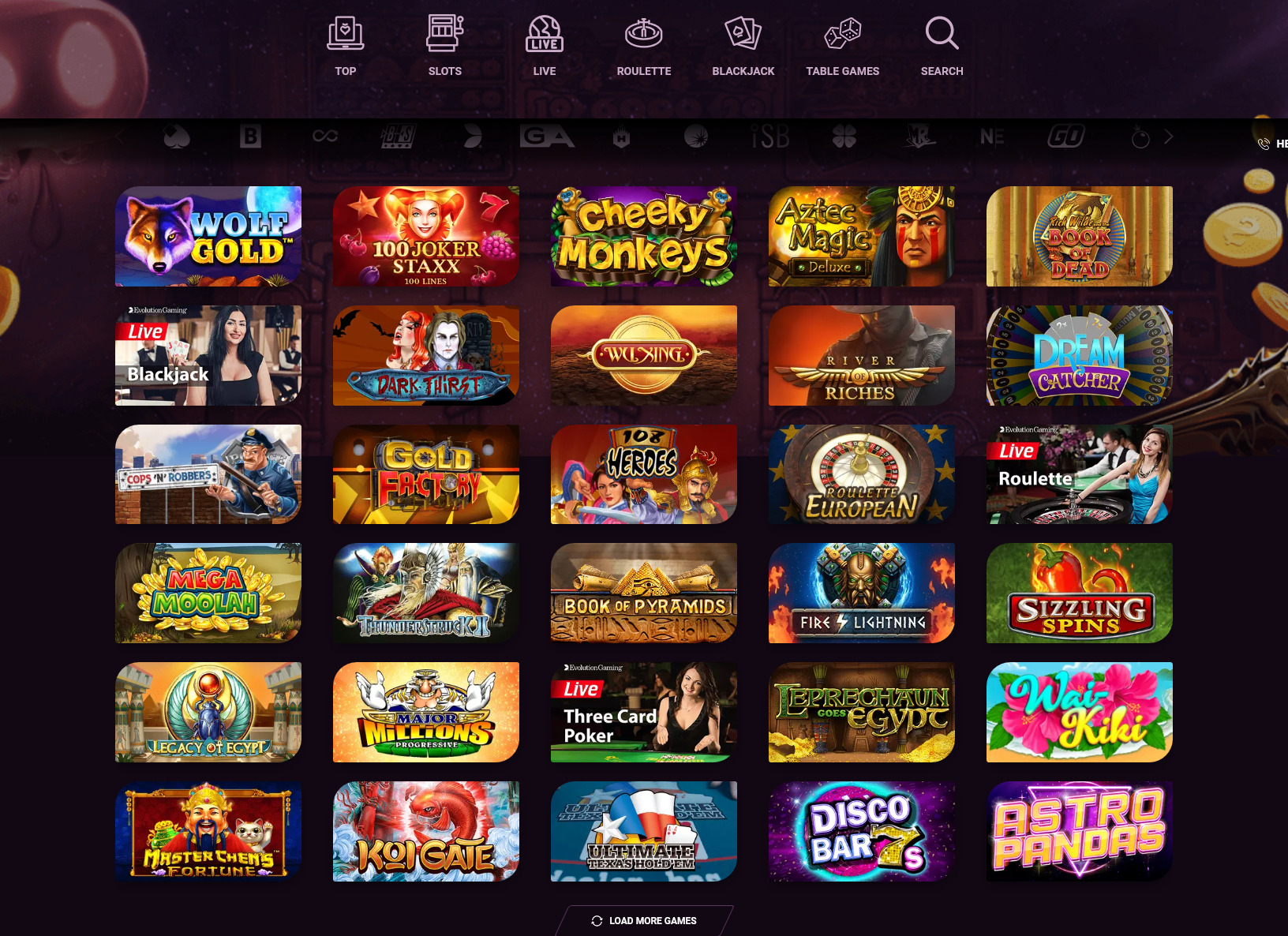
- Virtual casinos: rapid, self-paced rounds with random outcomes.
- Sportsbooks: delayed payouts tied to actual event results.
- Live dealer rooms: real-time human dealing with chat and side bets.
How Random Number Generators and Payout Percentages Shape Your Odds
At the heart of every online slot, table game, or live dealer session sits a Random Number Generator (RNG), a program that churns out thousands of numbers per second to decide each outcome independently. This means your odds are never influenced by past spins or bets—each result is a fresh, unpredictable event. Payout percentages, often called Return to Player (RTP), then define the theoretical slice of every wager the game returns to players over time. A 96% RTP doesn’t guarantee you’ll get back $96 from every $100, but it shapes your long-term expectation. To use this to your advantage:
- Check the RTP before you play—higher percentages generally mean better odds over time.
- Understand that each spin or hand is random, so short-term streaks are purely coincidental.
- Treat payout percentages as a marathon metric, not a sprint promise.

How to Get Started with Real-Money Wagering Safely and Easily
Start by choosing a reputable site with clear payment options, then verify your identity to unlock deposits. Fund your account using a method you already trust, like a debit card or e-wallet, and set a strict deposit limit before your first bet. Begin with small, familiar games to understand the wagering flow. Always confirm the minimum withdrawal threshold and processing time before committing funds. Q: What is the easiest first step? A: Deposit a minimal amount and play a free-play version of the same game to compare mechanics without risk. Withdraw a tiny portion after a win to test the payout system, ensuring the entire cycle works smoothly before increasing stakes.
Step-by-Step Guide to Signing Up and Funding Your Player Account
Begin by selecting a licensed operator and clicking its registration button, then complete the identity verification step with a valid photo ID and proof of address. After your account is approved, navigate to the cashier section and choose a deposit method—credit card, e-wallet, or bank transfer—that fits your needs. Enter the minimum required amount, apply any available bonus code, and confirm the transaction; funds typically appear within minutes. For your first deposit, start small to test the withdrawal process before committing larger sums. Finally, set a deposit limit immediately to maintain control, ensuring your secure funding process stays both efficient and responsible from the outset.
Choosing the Right Payment Methods: Cards, E-Wallets, and Cryptocurrencies
Choosing the right payment method for wagering balances speed, fees, and privacy. Credit and debit cards offer instant deposits but may incur bank declines or cash-advance fees, while withdrawals can take days. E-wallets like Skrill or PayPal act as a buffer, ensuring faster payouts and better transaction anonymity, though some charge deposit fees. Cryptocurrencies, such as Bitcoin, provide near-instant settlement, lower costs, and full control, but require managing wallet addresses and price volatility. Always verify which methods qualify for bonuses, as deposits via e-wallets or crypto often exclude welcome offers. Test each option with a small deposit to confirm reliability before committing larger funds. Selecting a payment method that matches your withdrawal speed and fee tolerance is essential for a smooth wagering experience.
Q: Which payment method is safest for real-money wagering?
A: E-wallets are generally safest for beginners because they mask banking details from the casino, while cryptocurrency adds pseudonymity; cards are secure but expose your bank to the merchant directly.
Setting Deposit Limits and Managing Your Bankroll from Day One
Before placing your first real-money bet, set a strict deposit limit that matches what you can afford to lose without affecting bills or savings. Use your account’s cashier tools to cap daily, weekly, or monthly deposits, and prefer cool-off periods over raising limits impulsively. Allocate your bankroll into small, equal session stakes—typically 1–2% per wager—so no single loss erodes your fund. Track every deposit and withdrawal in a simple spreadsheet, and pause play once your session budget hits zero. This discipline prevents chasing losses and keeps gambling a controlled expense from the start.
Setting deposit limits and dividing your bankroll into fixed session stakes are the two non-negotiable habits that protect your funds and ensure every betting session stays within pre-defined boundaries.
Key Features to Look for When Selecting a Betting Site
When evaluating an online gambling platform, the first practical feature to examine is the **betting odds and market depth** offered across sports and events, as marginal differences directly impact long-term profitability. A quality site must also provide a seamless, intuitive interface with fast navigation between live betting, cash-out options, and account management—especially on mobile devices. Look for robust in-play functionality, including real-time statistics and streaming, since live wagering demands split-second decisions. Payment flexibility is non-negotiable: verify that deposits and withdrawals support your preferred methods, with transparent processing times and zero hidden fees. Finally, test the customer support responsiveness through live chat or email before committing funds; reliable assistance during payment disputes or technical glitches is a core part of **selecting a betting site** that prioritizes user experience.
Bonus Structures, Free Spins, and Wagering Requirements Explained Simply
Bonuses look great, but the real trick is decoding the fine print. A deposit match bonus simply adds a percentage to your first deposit, while free spins let you play slots without using your own cash. The catch is always wagering requirements—the number of times you must bet the bonus amount before withdrawing winnings. For example, a 20x requirement on a $50 bonus means wagering $1,000 total. Also, check game contribution percentages: slots often count 100%, but table games might only count 10%. Always compare free spin winnings caps and expiration dates, as these quietly decide if that bonus is actually worth claiming.
Mobile Compatibility, App Quality, and In-Play Betting Functionality
When evaluating a betting site, mobile compatibility and in-play betting responsiveness determine whether you can act on live odds without lag. Check that the platform’s native app or mobile browser version loads markets within two seconds, as slow interfaces cause missed cash-out windows. App quality hinges on stable navigation, touch-target sizing, and background refresh without crashing mid-bet. For in-play functionality, demand real-time scoreboards, one-tap bet slips, and partial cash-out options that update instantly after each event. A poor mobile build negates otherwise strong odds, so test the site on your specific device and OS version before depositing.
Customer Support Response Times and Withdrawal Speed Considerations

When evaluating a betting site, fast withdrawal processing times are non-negotiable for a positive cash-out experience. Look for platforms that clearly state payout windows for e-wallets, cards, and bank transfers—ideally under 24 hours for digital methods. Simultaneously, test customer support response times before depositing by sending a pre-sale question; a quality operator replies within minutes via live chat, not hours. Slow support often signals slow approvals, as unresolved verification issues delay withdrawals. Prioritize sites offering 24/7 support and instant withdrawal options. If a payout stalls, escalate immediately through multiple channels (phone, email, ticket) and demand a clear resolution timeline. Persistent delays or unresponsive agents are red flags—choose a bookmaker that treats your funds with urgency and respects your time.
Practical Tips to Improve Your Chances Without Chasing Losses
To improve your odds in online gambling without chasing losses, set a strict loss limit before you start and treat it as a hard stop, not a suggestion. Walk away immediately when you hit it, because the urge to recover funds leads to larger, reckless bets. Focus on games with the lowest house edge, like blackjack or baccarat, and apply basic strategy to reduce the casino’s mathematical advantage. Split your bankroll into smaller sessions, and after a winning streak, withdraw a fixed percentage of profit to your wallet instantly—never reinvest it. Avoid increasing bet sizes after a win or loss; keep stakes consistent. If your last three rounds lost, switch to a lower-stakes table or take a 15-minute break to reset decision-making. Discipline, not impulse, is the only edge you control.
How to Pick Games with the Lowest House Edge for Better Returns
To secure better returns over time, prioritize games where the math favors you before you ever place a bet. Start with blackjack, which offers a house edge under 0.5% when you use basic strategy, then avoid side bets that inflate that margin. Next, choose European roulette over American, because the single zero cuts the edge nearly in half. For slots, filter for titles with published return-to-player percentages of 96% or higher. Finally, learn video poker variants like Jacks or Better, where optimal play can push the edge near zero. Follow this sequence:
- Check the game’s stated RTP or house edge figures in the info tab.
- Select table games with player skill components.
- Skip progressive jackpot tables that charge extra per hand.
- Test the game in free mode to confirm rule variations.
This method directly steers your bankroll toward mathematically weaker opponents.
Using Demo Modes and Free Bets to Test Strategies Before Committing Cash
Treat demo modes and free bets as your personal laboratory, not just a welcome bonus. Before risking real money, replicate your exact betting approach—stake sizing, selection filters, and exit rules—across hundreds of virtual rounds to expose weak points. Free bets, meanwhile, let you pressure-test live-market timing and emotional discipline without financial fallout. The key is to log every demo result and compare it against your expected value calculations, then adjust only when the data supports a change. This creates a data-driven strategy refinement loop that turns guesswork into measurable edge.
- Use demo credit to test bankroll percentage staking (e.g., 1% vs. 5%) and see variance impact.
- Trigger free bets on underdogs or narrow markets to see if your edge holds under real odds movement.
- Set a strict 30-day demo period—if the strategy isn’t best crypto casinos profitable after 200 simulated bets, discard it.
- Never chase a lost free bet; treat it as a sunk cost and move to the next planned test.
Recognizing When to Walk Away and Practicing Responsible Play Habits
Knowing when to cash out is the real skill in online gambling. Set a loss limit before you start—once you hit it, close the tab and step away, no exceptions. Similarly, bank a portion of any big win immediately; that money is yours, and chasing a few more spins often gives it back. Take a five-minute break every hour to reset your focus, and if you feel frustration or urgency creeping in, that’s your cue to quit for the day. Recognizing your personal stop signals keeps play fun and prevents emotional decisions. Walk away when you’re ahead, and never treat a session as a way to recover yesterday’s losses.

Set limits, honor them, and step away when frustration appears—responsible play means leaving the game on your terms, not your losses’ terms.
Common Questions New Players Ask About Digital Wagering
New players usually start by asking how deposits and withdrawals actually work, especially which payment methods are fastest and whether there are hidden fees. Another big one is whether wagering requirements apply to bonuses—yes, they almost always do, so read the terms before claiming anything. People also wonder if their personal data is safe when signing up, and the short answer is that reputable sites use encryption, but you should still enable two-factor authentication. Q: “Can I cash out my bonus immediately?” A: Rarely—most bonuses lock funds until you wager the amount a set number of times. Finally, beginners often ask how to set loss limits or self-exclusion, since budget control feels confusing at first. Stick to those basics, and you’ll avoid most rookie mistakes.
Are My Funds and Personal Data Secure When Playing Online?
When assessing whether your funds and personal data are secure while playing online, reputable operators use bank-grade 128-bit or 256-bit SSL encryption to protect every transaction and login session. Your financial details are typically stored on segregated accounts, meaning your deposited money is kept separate from the casino’s operating funds, which adds a layer of insolvency protection. Before entering payment information, verify the URL shows a padlock icon and starts with “https://”—this indicates an active encrypted tunnel. Still, the strongest security protocol cannot shield you if you reuse the same password across multiple gambling sites, so always enable two-factor authentication where offered. Below are practical safeguards you should confirm exist on any platform before depositing:
- Check for SSL/TLS encryption certification and a valid security seal on the cashier page.
- Confirm the site offers withdrawal-only payment methods (e.g., e-wallets) so your bank card numbers never stay stored.
- Review their privacy policy for explicit clauses about not selling your personal data to third-party marketers.
- Enable transaction alerts via email or SMS for every deposit and withdrawal attempt.
What Happens If a Game Crashes or a Bet Is Settled Incorrectly?
If a game crashes mid-round, most operators will void the wager and refund your stake—a process called a “failed game settlement.” For bets already decided, a glitch might temporarily show the wrong outcome, but the system usually corrects itself within minutes. If you spot a genuinely incorrect payout, screenshot the bet slip immediately and contact support. Here’s the typical sequence:
- Open a support ticket with your bet ID and proof.
- Investigate the server logs and the live event data.
- Adjust your balance manually if you were shortchanged.
The golden rule: don’t keep playing on a mid-crash stake—wait for confirmation. Disputed bet resolution typically lands in your favor if the error is their side, but always follow up within 24 hours.
Can I Play on My Phone or Tablet and Switch Devices Mid-Session?
Yes, you can jump between your phone, tablet, and desktop without losing your spot. Most modern wagering platforms sync your active session instantly via your login, so your bet slip, open games, and account balance update in real time across devices. Just ensure you’re on a stable connection when switching, as a dropped signal mid-spin on a live game might cause a brief reload. For the smoothest transition, stick to the same browser or app version. Seamless cross-device switching for digital wagering is standard now, but avoid switching during a countdown timer or a live dealer hand.
- Check if the platform uses instant-sync technology or requires a manual refresh after switching.
- Never log into a second device while an active wager is resolving—wait for the round to finish.
- Keep your app updated on both gadgets to prevent compatibility gaps during the handoff.